Clean room panels in pharmaceutical manufacturing serve different performance specifications depending on the production type , OSD (oral solid dosage), sterile fill-finish, and biotech laboratories each require different ISO classifications, facing materials, and contamination control features. Using the same panel specification across all three is a GMP compliance error.
What Makes a Panel a Clean Room Panel
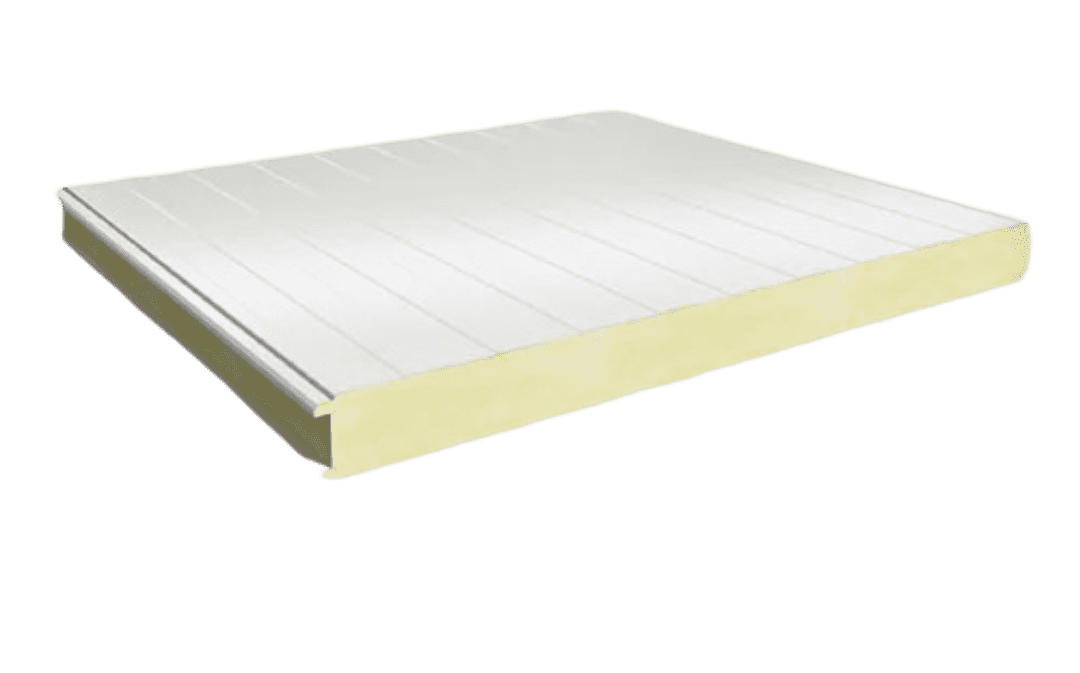
A clean room sandwich panel is fundamentally different from a standard PUF wall panel in three ways: surface, fastening system, and facing material.
Surface: Cleanroom panels have completely flush, crevice-free surfaces. No exposed fasteners, no surface irregularities where particles can accumulate. Standard industrial panels have surface ribs, visible fastener heads, and joint profiles , all of which are contamination accumulation points unacceptable in pharmaceutical production environments.
Fastening system: Cleanroom panels use concealed fastening , the structural connection between panels is internal, not visible on the surface. This eliminates the fastener corrosion risk and particle shedding that exposed fastener systems create in clean environments.
Facing material: Cleanroom panels use SS 304, SS 316, or HPL facing , not standard painted GI. These materials resist the cleaning agents used in pharmaceutical sanitation programmes, do not shed particles, and maintain surface integrity under repeated cleaning cycles.
Clean Room Panel Applications in OSD Production
Oral solid dosage (OSD) manufacturing , tablets, capsules, and powders , is the largest category of pharmaceutical production in India. OSD facilities use clean room panel manufacturers grade panels for production area wall and ceiling construction.
ISO classification for OSD: Most OSD production areas operate at ISO Class 7 to ISO Class 8 cleanroom classification. This is a relatively achievable contamination control level , HPL or pre-painted food-grade GI facing is acceptable for most OSD production areas.
Dispensing areas: API dispensing , weighing and dispensing of active pharmaceutical ingredients , requires higher contamination control than general OSD production. ISO Class 7 or better with SS 304 facing is typically specified for dispensing suites.
Coating areas: Tablet coating generates coating material dust that must be contained within the coating suite. Clean room panels with flush surfaces prevent coating material from accumulating in crevices and migrating between production zones.
Packaging areas: Secondary packaging (blistering, bottling) uses clean room panels at ISO Class 8 , the most achievable level, where the primary contamination control requirement is dust prevention rather than microbial control.
Clean Room Panel Applications in Sterile Fill-Finish
Sterile manufacturing , injectables, ophthalmic products, and sterile biologics , has the most demanding cleanroom construction requirements in pharmaceutical manufacturing.
Aseptic fill-finish suites: ISO Class 5 (Grade A/B) , the highest contamination control level specified in Indian pharmaceutical construction. Modular clean room panels with SS 316 facing, coved internal corners, and completely sealed joints and penetrations are specified for Grade A/B fill-finish suites.
Grade C support areas: ISO Class 7. SS 304 facing. Flush surfaces and concealed fastening. Areas such as gowning, material transfer, and equipment preparation support the Grade A/B fill-finish suite without operating at its contamination control level.
Grade D general processing: ISO Class 8. HPL or SS 304 facing. Less stringent than fill-finish areas but still requiring flush panels and concealed fastening.
Air lock construction: Air locks between cleanroom grades use clean room panels with airtight door and window integration , maintaining the pressure differential between adjoining cleanroom grades that prevents cross-contamination.
Clean Room Panel Applications in Biotech Laboratories
Biotech laboratories , cell culture, fermentation, downstream processing, and fill-finish for biologics , use cleanroom panels for biotech labs with specifications that reflect both the sterility requirements of biologic production and the chemical resistance requirements of laboratory cleaning protocols.
Cell culture suites: SS 316 facing with coved corners and sealed penetrations. Cell culture environments require the highest resistance to cleaning agents , aggressive disinfectants including hydrogen peroxide and peracetic acid , that degrade standard painted GI and HPL facings over time.
Fermentation areas: Large fermentation vessels generate significant humidity and occasional spillage. Clean room panels for fermentation areas require water-resistant panel systems and floor-to-wall junction designs that prevent water infiltration behind panel systems.
Downstream processing: Cleanroom panels for hospitals and pharmaceutical downstream processing share similar contamination control requirements , SS 304 or SS 316 facing with seamless floor-to-wall transitions.
Frequently Asked Questions
What facing material is required for sterile injectable manufacturing cleanrooms under CDSCO Schedule M?
CDSCO Schedule M specifies that production area surfaces should be smooth, non-shedding, and resistant to cleaning and disinfection agents. SS 304 is the minimum specification for sterile injectable production areas. SS 316 is preferred for areas with frequent aggressive disinfectant use.
Can food processing cleanrooms use the same panel specification as pharmaceutical cleanrooms?
Food processing insulation panels for cleanroom applications share some requirements with pharmaceutical panels , flush surfaces, cleanable facing, and concealed fastening. The specific facing material and ISO classification may differ based on the food category and the applicable food safety standard (FSSAI, BRC, SQF).
How long do cleanroom panels last in pharmaceutical manufacturing environments?
With correct specification and installation, pharmaceutical cleanroom panels last 15–25 years. SS 304 and SS 316 facing resist the chemical exposure of pharmaceutical cleaning programmes without surface degradation. HPL facing may require replacement in 10–15 years if exposed to aggressive disinfectants.
Medizone Clean Panel Suppliers distributes cleanroom panels for OSD, sterile, and biotech pharmaceutical construction sourced exclusively from Mount Roofing and Structures, Tumkur. Contact us for GMP-compliant panel specifications across Chhattisgarh and pan-India.